








Sovereign AI services enable organisations to develop and operate AI solutions while maintaining control over their data, infrastructure and deployment environment. They are designed to support trusted, compliant and independent AI adoption within European frameworks.
AIoD promotes open standards and interoperable services, allowing organisations to work with different models, providers and infrastructure options. This flexibility helps reduce dependency on a single technology vendor.
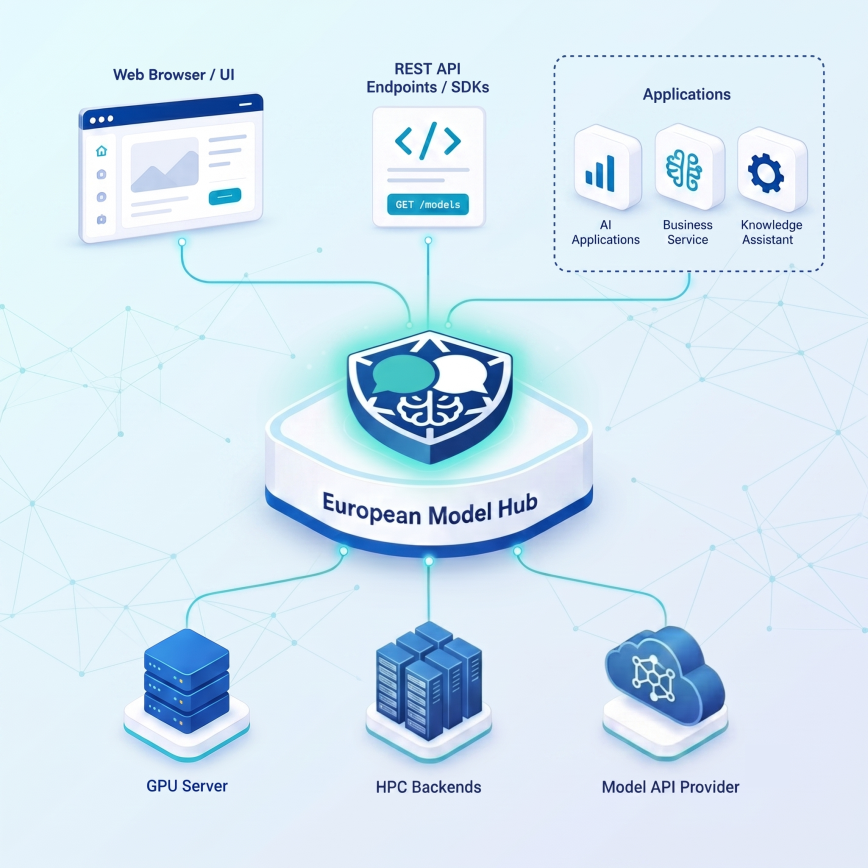
The European Model Hub provides access to a curated portfolio of open-source AI models through a central European platform. It helps organisations discover, compare and select models that best fit their needs.
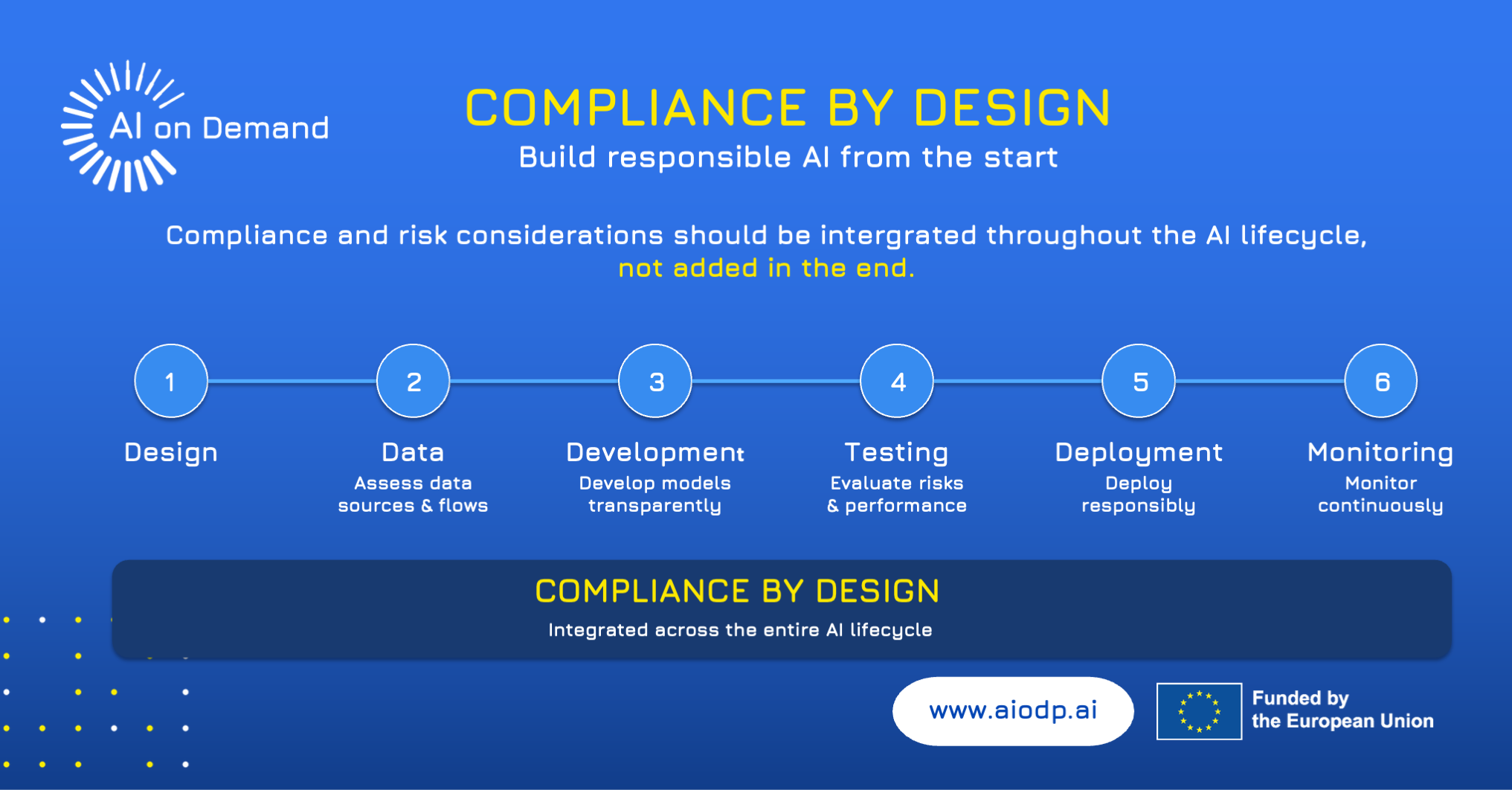
Yes. AIoD provides compliance-by-design tools and resources that help organisations assess risks, support governance processes and align AI projects with European regulatory requirements.
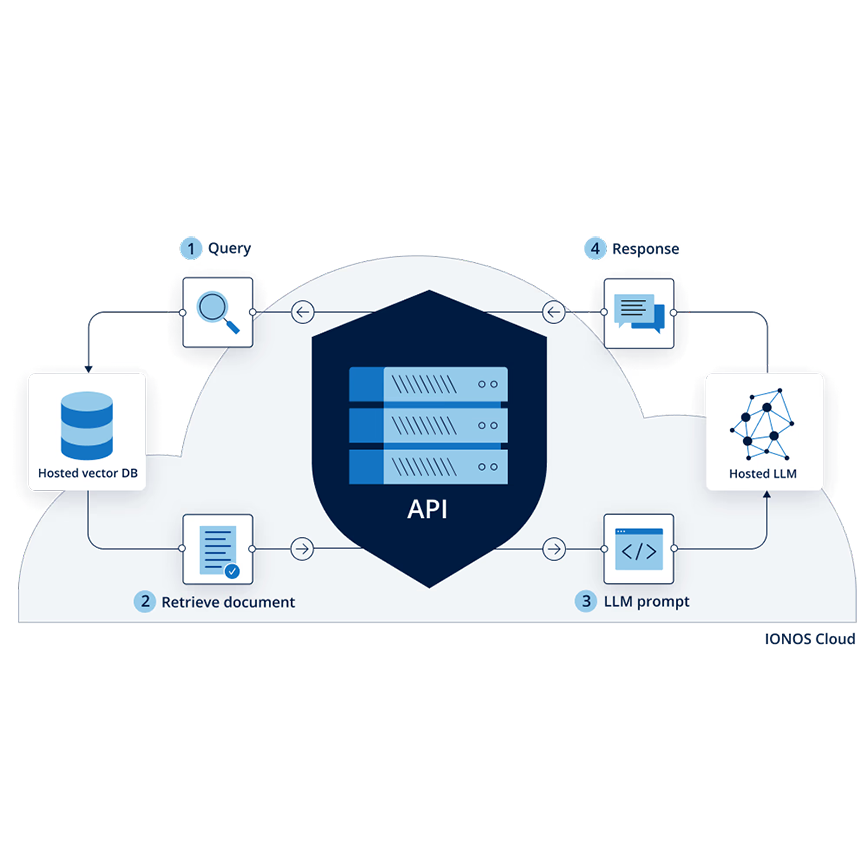
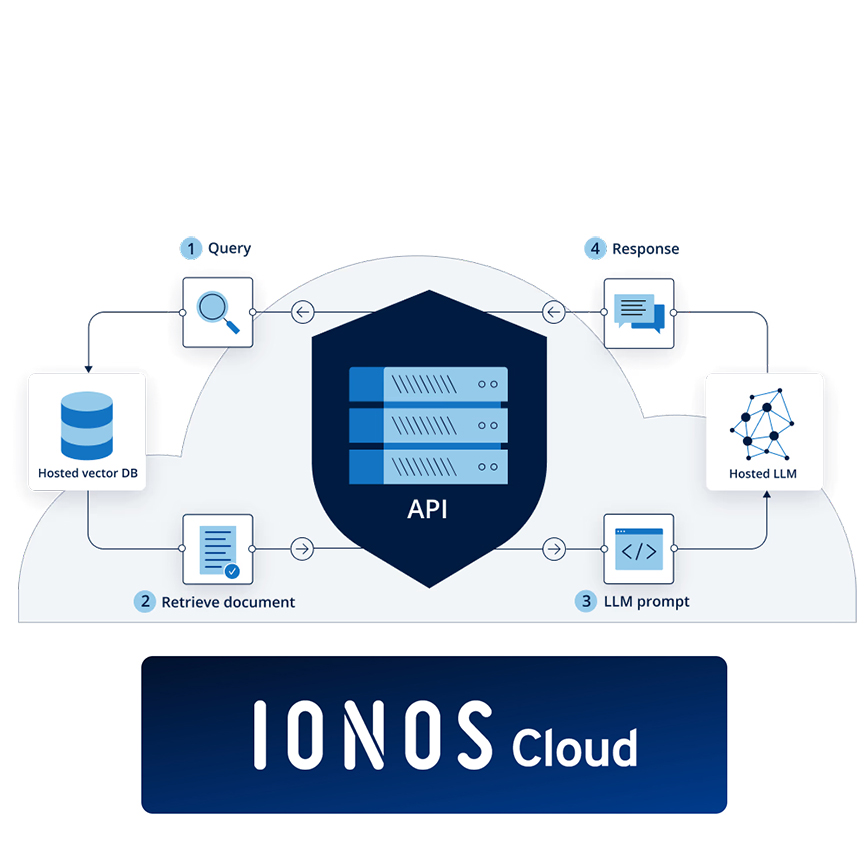
AIoD connects organisations with European cloud, hosting and inference services, as well as testing and deployment environments. These resources help move AI solutions from experimentation to production-ready operations.
Global providers can be a good starting point, but they come with two structural risks. First, jurisdiction: data processed by US companies falls under US law (such as the Cloud Act), even when hosted on European servers, a problem for sensitive data and regulated sectors. Second, lock-in: once your applications are built on one provider's proprietary API, switching becomes costly. AIoD addresses both: services run under European jurisdiction, and the OpenAI-compatible API keeps your models and providers interchangeable. You can even migrate existing applications with minimal changes.
Yes, and this is one of AIoD's key strengths. Most global AI models are trained primarily on English data and underperform in other languages. Through AIoD, you can access European models built specifically for linguistic diversity, such as Teuken (24 EU languages) or EuroLLM (35 languages), alongside leading international open-source models. You can compare how different models perform in your language before choosing one.